 Luni
Luni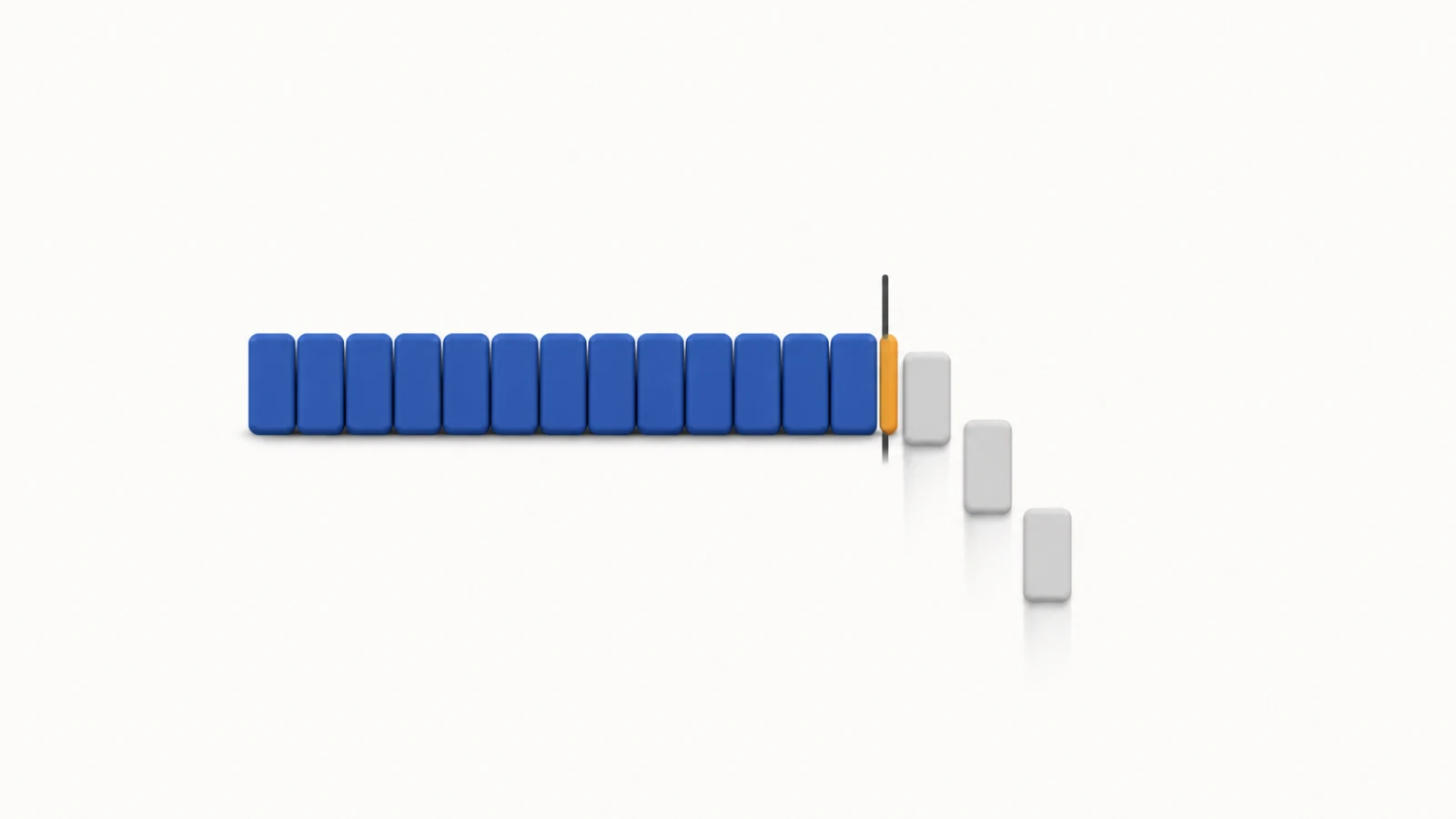
The Answer You Don't Want to Hear
You've spent two years at community college. You've taken 80 semester units. You're ready to transfer to UC. Then you discover: UC only accepts 70 semester/105 quarter units of lower-division credit. The extra 10 units? Gone. They don't count toward your degree. You paid for them. You passed them. But UC doesn't care. This is the most common credit loss scenario—and most students don't see it coming until they've already wasted the units. Here's the truth: 58% of transfer students experience some degree of credit loss. The ones who don't? They knew the rules before they registered.
The 70-Unit Cap: What It Actually Means
UC has a hard limit: 70 semester/105 quarter units of lower-division coursework can transfer. What counts toward the 70-unit cap:
-
All community college courses (CCC)
-
Lower-division courses from other universities
-
Some AP/IB/CLEP credits (depends on campus policy) What doesn't count toward the cap:
-
Upper-division courses (300/400-level)
-
UC-to-UC transfer credits (no cap) What happens if you exceed 70 units? UC accepts your coursework for subject credit (meaning you've satisfied prerequisites), but only 70 units count toward your graduation requirement. Real example: You take 85 semester units at CC. You complete all your major prerequisites and IGETC. You transfer to UC. UC accepts that you completed the prerequisites (subject credit). But only 70 units count toward your 120-unit graduation requirement. Translation: You need 50 more units at UC instead of 35. You just added a semester to your graduation timeline—and $15,000 to your costs. This is why students who plan carefully track their units from day one. They don't accidentally exceed the cap.
How Credit Loss Actually Happens
Scenario 1: You Exceed the Unit Cap
You take extra courses "just in case." You end up with 80 units. UC caps you at 70. You lose 10.
Scenario 2: You Take Non-Transferable Courses
You take remedial math (below college level). It doesn't transfer. You take vocational courses. They don't transfer either. You spent a semester on courses that UC doesn't accept at all.
Scenario 3: You Take Non-Articulated Courses
You take "Business Communication" at your CC. It's transferable (gets you unit credit). But it's not articulated to any UC requirement. UC accepts the 3 units. But they don't count toward your major or general education. They're empty units that push you closer to the 70-unit cap without helping you graduate.
Scenario 4: You Change Your Major
You complete 30 units of Biology prerequisites. Then you switch to Computer Science. None of your Biology courses count toward CS requirements. You transferred them—but they're wasted units that eat into your 70-unit cap.
Scenario 5: Excess Units from Multiple Colleges
You take courses at three different community colleges. Each transcript looks fine individually. But combined, you have 85 units. UC doesn't care that you didn't plan it. They cap you at 70 anyway.
What Courses Don't Transfer (Lost Before You Even Apply)
Courses that NEVER transfer to UC:
- Remedial/developmental courses (below 100-level)
- Courses graded below C (2.0)
- Pass/No Pass courses (for major requirements or GE)
- Vocational/technical courses (welding, cosmetology, etc.)
- PE/athletics courses (usually)
- Courses with no ASSIST articulation If you take any of these, you're wasting time and money. They don't transfer. Period. Before you register for any course, check ASSIST. If it's not listed as transferable, don't take it (unless you need it for personal reasons—but know it won't help your transfer).
How to Calculate How Many Credits You'll Lose
Step 1: Count all your transferable CC units
Add up every course that's UC-transferable (check ASSIST). Include:
- Completed courses (C or better)
- Courses from multiple CCs
- AP/IB/CLEP credits that UC accepts
Step 2: Subtract 70 (or 105 for quarter units)
If your total is above 70 semester/105 quarter, you'll lose the excess. Example:
- Total transferable units: 82 semester
- UC accepts: 70 semester
- Lost credits: 12
Step 3: Check which courses are articulated
Even if your units transfer, not all of them count toward requirements. Go through your transcript:
- Does this course satisfy IGETC?
- Does this course satisfy a major prerequisite?
- Is this course just "extra" elective credit? If a course doesn't satisfy anything, it's functionally wasted (even if it's under the 70-unit cap). This manual tracking is tedious—and most students get it wrong. Tools like Luni automatically calculate your transferable units, flag courses that don't count toward requirements, and show you exactly how close you are to the unit cap before you waste semesters.
The "Excess Units" Problem
Here's where it gets tricky: UC limits total units, not just transfer units. Once you're at UC, you're on a unit ceiling. Most UCs cap you at 216 quarter units total (including transfer + UC units). If you transfer with 105 quarter units (the max), you only have 111 units left to complete your degree. Most majors require 180 total units to graduate. So you have 111 units at UC to finish the remaining ~75 units of upper-division work. That's fine. But if you exceed the unit ceiling, UC may deny your graduation or force you to petition. This happens when:
- You transfer with max units (105 quarter)
- You change majors at UC (requiring extra courses)
- You double major or minor
- You fail courses and retake them Bottom line: Don't just worry about the 70/105 transfer cap. Worry about the total unit ceiling at UC.
AP, IB, and CLEP Credits: Do They Count Toward the Cap?
It depends on the UC campus. General rule:
-
AP/IB credits earned in high school: Usually count toward unit cap
-
CLEP credits: Some UCs accept them, others don't Check your specific UC's policy. Don't assume AP credits are "free units" that don't count toward the cap. At most UCs, they do. Example:
-
You have 15 quarter units of AP credit
-
You have 105 quarter units from CC
-
Total: 120 units UC caps you at 105 for lower-division credit. You're over. You'll lose 15 units worth of credit.
What Happens to Lost Credits?
Subject credit vs. unit credit:
- Subject credit = UC acknowledges you completed the course. You've satisfied the prerequisite. You don't have to retake it.
- Unit credit = The units count toward your 120-unit graduation requirement. When you exceed 70 semester/105 quarter units, you keep subject credit but lose unit credit. What this means: You don't have to retake courses. But you need to take more courses at UC to hit 120 units for graduation. Translation: Extra semesters. Extra money.
How to Avoid Losing Credits
Strategy 1: Plan your units from day one Don't take random courses. Every course should either:
- Satisfy IGETC
- Satisfy a major prerequisite
- Get you to exactly 60 transferable units (the minimum to transfer) Don't exceed 70 semester/105 quarter unless you have a specific reason. Strategy 2: Don't take non-articulated courses Before you register, check ASSIST. If the course isn't articulated to a UC requirement, don't take it. Exception: You need it for personal growth or CC graduation. Fine—but know it's not helping your UC transfer. Strategy 3: Don't retake courses unnecessarily If you got a C, it transfers. Don't retake it unless your major requires a B or higher. Every retake adds units. More units = closer to the cap. Strategy 4: Transfer between CCs carefully If you take courses at multiple CCs, track your cumulative units. Don't accidentally exceed 70 by spreading coursework across campuses. Strategy 5: If you're close to the cap, finish IGETC instead of taking electives IGETC is 37-39 semester units. Major prerequisites vary (10-30 units depending on major). That's ~50-70 units total. You should hit 60-70 units exactly when you finish IGETC + major prep. If you're above 70, you took unnecessary courses.
What If You've Already Exceeded the Cap?
You can still transfer. UC accepts students with excess units. You just lose the unit credit for anything over 70/105. What to do:
- Don't take more courses. You're already over. Don't make it worse.
- Apply anyway. Excess units don't disqualify you. You just don't get credit for them.
- Plan for extra time at UC. You'll need more quarters/semesters to hit 120 units. Can you petition to get the lost credits back? No. The 70/105 cap is university policy. No exceptions.
How UCs Handle Transfer Credit Differently
All UCs follow the 70 semester/105 quarter cap. But some have additional rules: UC Berkeley:
-
Strict 80-semester-unit cap for College of Engineering
-
No more than 70 units count toward L&S degrees UCLA:
-
105 quarter-unit cap (same as others)
-
Excess units don't disqualify you, but they don't count UC San Diego:
-
105 quarter-unit cap
-
Some majors have specific unit limits Bottom line: The 70/105 rule is universal. Individual colleges within UCs might have stricter caps for specific majors. Check your major's policy.
The Real Cost of Lost Credits
Let's do the math:
- You transfer with 85 semester units (15 over the cap)
- UC accepts 70
- You lose 15 units of graduation credit
- UC tuition: ~$14,500/year
- Each unit costs ~$500
- 15 lost units = $7,500 wasted And that's just tuition. Add housing, books, and living expenses, and you're looking at $15,000+ in wasted money. This is why tracking your transferable units matters. Every unit over 70 is money you'll never get back.
FAQ
Q: How many credits will I lose if I transfer to UC?
A: If you have more than 70 semester/105 quarter units, you lose everything above that cap. If you're under, you don't lose anything.
Q: Do lost credits mean I have to retake courses?
A: No. You keep subject credit (you've satisfied prerequisites). But you lose unit credit (the units don't count toward your 120-unit graduation requirement).
Q: Can I transfer with 80 units?
A: Yes. But only 70 will count toward graduation. The extra 10 are wasted.
Q: Do AP credits count toward the 70-unit cap?
A: Usually yes, but it varies by campus. Check your target UC's AP credit policy.
Q: What if I took courses at multiple CCs?
A: UC combines all your transcripts. If your total exceeds 70 semester/105 quarter, you're over the cap.
Q: Can I petition to get my lost credits back?
A: No. The unit cap is firm university policy.
Bottom Line
How many credits will you lose in transfer? It depends on how many units you've taken and whether they're articulated to UC requirements. The 70 semester/105 quarter cap is non-negotiable. Exceed it, and you lose the excess. But the bigger issue isn't just the cap—it's taking courses that transfer but don't count toward anything. Those are functionally lost credits, even if you're under the cap. The students who don't lose credits? They plan their courses carefully, check ASSIST before registering, and track their units from day one. Don't take unnecessary courses. Don't exceed the cap. And most importantly: make sure every course you take is articulated to a requirement—or you're wasting time and money. If you want to track your units automatically and see which courses actually count toward your degree, Luni syncs with ASSIST and flags wasted credits before you register. Most students don't realize they're over the cap until it's too late. Plan smart. Transfer efficiently. Don't lose credits.
Sources
- University of California - Transfer Credit Policies: https://admission.universityofcalifornia.edu/admission-requirements/transfer-requirements/
- UC Transfer Unit Limitations: https://admission.universityofcalifornia.edu/admission-requirements/transfer-requirements/credit-limitations.html
- ASSIST - Official Transfer Resource: https://assist.org
- UC Berkeley Transfer Credit: https://admissions.berkeley.edu/transfer-requirements
- UCLA Transfer Alliance: https://admission.ucla.edu/apply/transfer
- National Student Clearinghouse - Transfer Data: https://nscresearchcenter.org/transfer-mobility/