 Luni
Luni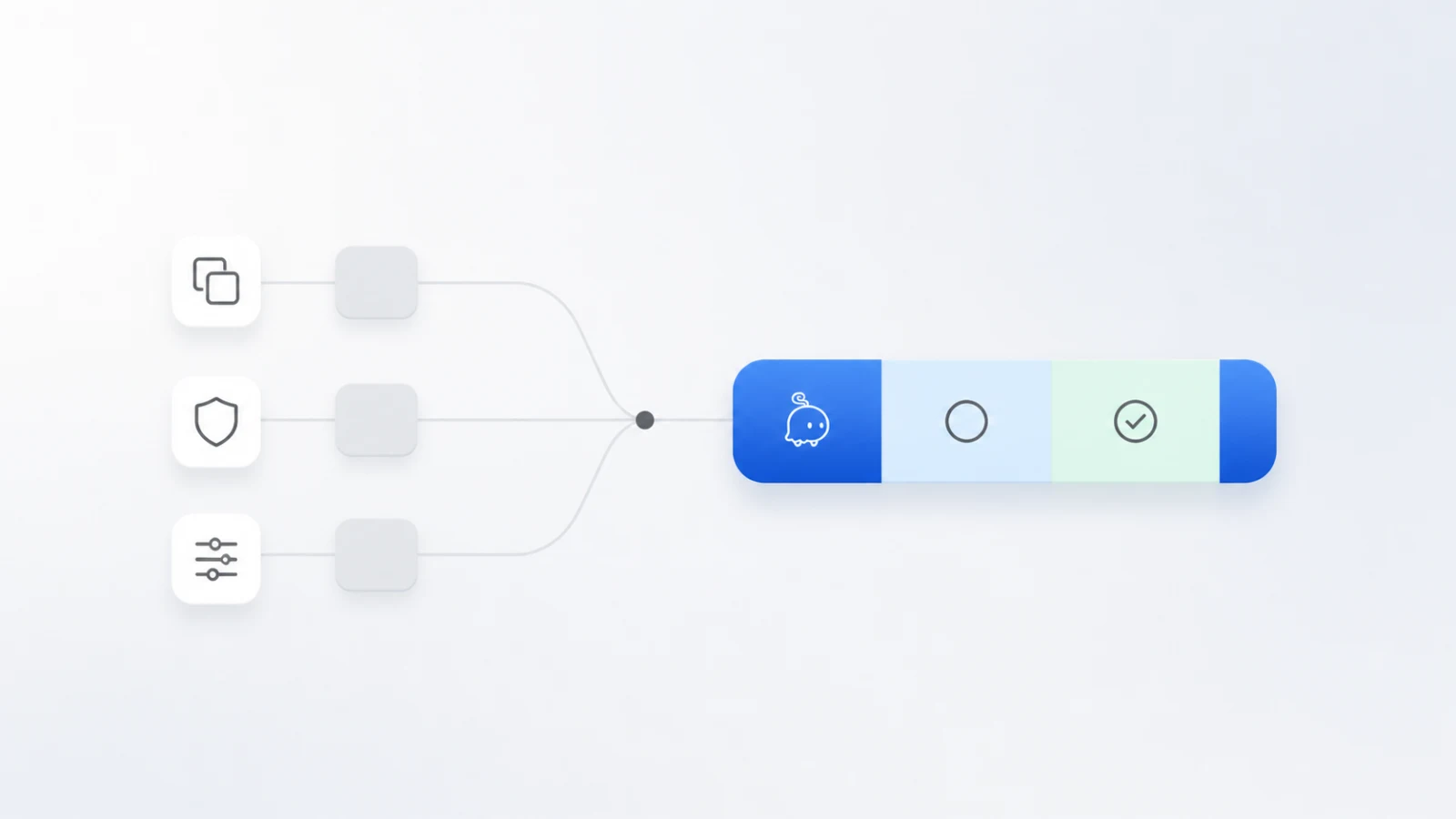
Transfer planning is not a motivation problem.
It’s an execution problem:
- too many rules
- too many moving parts
- too many ways to “look busy” while drifting off-track
The fix is a workflow that turns official rules into an enrollable term plan.
The workflow (rules → constraints → schedule)
1) Rules: what counts?
Start with the sources of truth:
- Major articulation: /transfer-assist
- Transferable course lists (IGETC/UCTEL/etc): /transferable-courses
2) Constraints: what must be true?
Turn rules into constraints:
- prerequisite sequences
- required course groups
- unit load boundaries
- deadline gates (application window, certification timing)
3) Schedule: what can you actually enroll in?
Only after constraints are clear, build a plan that:
- fits your unit load and time
- keeps GPA risk controlled
- preserves flexibility for “real life” changes
Data snapshot (one real example)
This example is pulled from our ASSIST articulation API (fetched on 2025-12-25).
De Anza College → UC Irvine (2025–2026)
| Metric | Value |
|---|---|
| Majors available via agreement majors API | 90 |
| Example major | Computer Science, B.S. |
| Articulation entries for this major | 9 |
Sample course mappings:
| UCI requirement | Example CCC articulation |
|---|---|
| MATH 2A | MATH 1A |
| MATH 2B | MATH 1B |
| STATS 67 | MATH 23 |
This is why the workflow matters: a “good sounding plan” that doesn’t satisfy these mappings is not a plan. It’s fiction.
Where agentic AI fits
Once the tool layer is in place, an AI agent can do the part humans hate:
- re-check constraints when you change a term
- flag gaps early (before you’re stuck)
- propose safe swaps when a course is full or not offered
That’s what “ops-grade” means: the plan stays valid under stress.
What you can do today (without waiting)
- Pick a target campus + major and open /transfer-assist.
- Verify your GE/transferable track in /transferable-courses.
- Build a first-term plan that starts required sequences immediately.
The paid move: one execution workspace, not scattered tools
Tools are helpful. Execution is what wins.
In the paid Luni app, the agent keeps your plan, constraints, and deadlines synchronized—so you spend less time in “tab hell” and more time taking the right next action.
-
Enrollable term plans built from ASSIST + course lists
-
Requirement gap audit and early risk flags (before you waste a term)
-
Safe swaps when plans change
-
Timeline, opportunities, and essays tracked in one execution view
-
See pricing & join the waitlist: /pricing
-
Explore app features: /features
FAQ
Why not just follow a generic transfer checklist?
Generic checklists don’t understand your exact major articulation and year-specific rules. That’s how students waste units.
What’s the “right” number of majors to target?
Enough to avoid a single point of failure. A data-based list (stretch/target/safety) is safer than one dream major.